
- The Diamond Arm (1969)
- The White Sun of the Desert (1970)
- The Dawns Here Are Quiet (1972)
- The Prisoner of Château d'If (1988)
- The Return of the Musketeers (1989)
- The Red Lotus (1988)
- The Sword and the Shield (1968)
- The Adventures of Sherlock Holmes and Dr. Watson: The Hound of the Baskervilles (1981)
- The Mystery of the Third Planet (1981)
- The Adventures of the Yellow Suitcase (1970)
Embark on a cinematic journey through the Soviet Union's unique take on martial arts films. These movies not only showcase the physical prowess of their characters but also provide a window into the cultural and ideological landscape of the time. From the gritty realism of street fights to the philosophical undertones of martial arts, this collection offers a fascinating blend of action, drama, and historical context, making it a must-watch for enthusiasts of both cinema and martial arts.
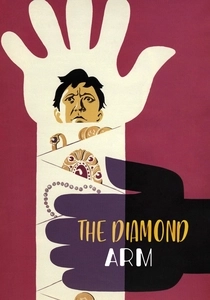
The Diamond Arm (1969)
Description: While primarily a comedy, it includes a memorable scene where the protagonist uses improvised martial arts to escape from smugglers.
Fact: The film is considered one of the greatest Soviet comedies, with its action scenes adding to its charm.
 Watch Now
The White Sun of the Desert (1970)
Description: While not strictly a martial arts film, it includes a memorable fight scene where the protagonist uses improvised weapons, reflecting the Soviet approach to action cinema.
Fact: The film became a cult classic, and its fight scene is often cited as one of the most iconic in Soviet cinema.
Watch Now 
The Dawns Here Are Quiet (1972)
Description: Although primarily a war drama, it includes scenes where female soldiers use hand-to-hand combat, highlighting the Soviet portrayal of women in combat roles.
Fact: The film was adapted from a novel by Boris Vasilyev, which was inspired by real events during WWII.
Watch Now 
The Prisoner of Château d'If (1988)
Description: This adaptation of "The Count of Monte Cristo" features several sword fights, reflecting the Soviet interpretation of classic literature with action elements.
Fact: The film was part of a trend to adapt Western classics into Soviet cinema, often adding unique action sequences.
30 Days Free 
The Return of the Musketeers (1989)
Description: This sequel to the famous Soviet adaptation of Dumas' "The Three Musketeers" features several sword fights, reflecting the era's fascination with historical action.
Fact: The film was shot in various locations across the USSR, providing a rich backdrop for its action sequences.
30 Days Free 
The Red Lotus (1988)
Description: This film follows a Soviet soldier who learns martial arts from a Chinese master during WWII, blending historical events with action-packed sequences. It's a rare example of Soviet-Chinese cinematic collaboration.
Fact: The film was shot in both the Soviet Union and China, showcasing the international cooperation of the era.
30 Days Free The Sword and the Shield (1968)
Description: This spy thriller features a KGB agent trained in various martial arts, showcasing the Soviet Union's fascination with espionage and physical combat.
Fact: The film was inspired by real-life KGB operations, adding authenticity to the martial arts sequences.
30 Days Free The Adventures of Sherlock Holmes and Dr. Watson: The Hound of the Baskervilles (1981)
Description: This adaptation includes a unique fight scene where Holmes uses his cane as a weapon, showcasing a blend of detective work with physical combat.
Fact: The series was one of the most popular Soviet TV productions, and its martial arts scenes were choreographed by experts.
30 Days Free The Mystery of the Third Planet (1981)
Description: An animated film where the protagonist uses martial arts to fight off alien creatures, blending sci-fi with action elements.
Fact: This film was one of the first Soviet animated features to incorporate martial arts, influencing future animations.
30 Days Free The Adventures of the Yellow Suitcase (1970)
Description: A comedic adventure where the main character uses martial arts to solve problems, showcasing the lighter side of Soviet action cinema.
Fact: The film was part of a series of comedies that often included elements of physical comedy and action.
30 Days Free