
Soviet cinema has often been a reflection of the society's values, showcasing stories that resonate with themes of kindness, compassion, and human warmth. This curated list of 10 Soviet films explores the depth of human emotions, highlighting acts of kindness that transcend cultural and temporal boundaries. These films not only entertain but also inspire, offering a glimpse into the soul of Soviet storytelling where kindness is not just an act but a way of life.
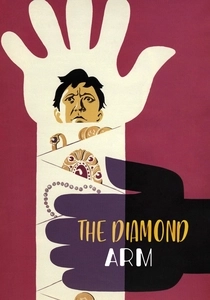
The Diamond Arm (1969)
Description: A comedy where the protagonist, through a series of comedic mishaps, shows kindness and honesty, inadvertently becoming a hero in the eyes of others.
Fact: The film is known for its memorable quotes and has become a staple of Soviet comedy.
 Watch Now
The White Sun of the Desert (1970)
Description: This adventure comedy-drama showcases the kindness of a Red Army soldier who helps a widow and her son, demonstrating the power of compassion in the harsh desert environment.
Fact: The film was so popular that it was said to have been watched by every Soviet citizen at least once. It has become a cult classic, often quoted in Russian culture.
Watch Now 
The Dawns Here Are Quiet (1972)
Description: Set during WWII, this film portrays the kindness and camaraderie among a group of female anti-aircraft gunners, highlighting the human spirit in times of war.
Fact: It was one of the first Soviet films to focus on the role of women in the war, offering a fresh perspective on the conflict.
Watch Now 
The Adventures of Buratino (1975)
Description: This adaptation of "The Adventures of Pinocchio" emphasizes the importance of kindness and honesty, with Buratino learning valuable life lessons through his adventures.
Fact: The film has become a beloved children's classic in Russia, with its catchy songs and memorable characters.
Watch Now 
The Twelve Chairs (1971)
Description: This satirical comedy follows a former aristocrat and a con artist in their quest for hidden treasure, where acts of kindness and human decency play a crucial role.
Fact: The film was based on a novel by Ilf and Petrov, which has been adapted multiple times, but this version is considered the most iconic.
30 Days Free 
The Station Master (1972)
Description: Based on a story by Alexander Pushkin, this film tells of a station master's kindness towards a young girl, showcasing the quiet heroism of everyday people.
Fact: The film was part of a series of adaptations of Pushkin's works, highlighting the literary heritage of Russia.
30 Days Free 
The Irony of Fate (1975)
Description: A romantic comedy where a series of coincidences leads to acts of kindness and understanding between the main characters, showing how fate can bring out the best in people.
Fact: This film is traditionally shown on New Year's Eve in Russia, becoming a holiday tradition. It was also the first Soviet film to be shown in the United States.
30 Days Free 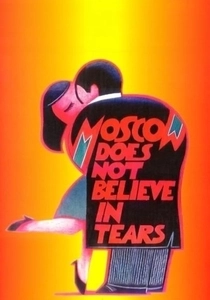
Moscow Does Not Believe in Tears (1980)
Description: This drama follows the lives of three women over two decades, highlighting the kindness and support they offer each other, reflecting the strength of female friendship.
Fact: It won the Academy Award for Best Foreign Language Film in 1981, making it one of the most recognized Soviet films internationally.
30 Days Free 
Afonya (1975)
Description: A plumber named Afonya, known for his laziness, undergoes a transformation through acts of kindness, showing how even the most unlikely characters can change for the better.
Fact: The film was a huge success, with the character Afonya becoming a symbol of the Soviet everyman.
30 Days Free The Garage (1980)
Description: A comedy about the absurdities of Soviet bureaucracy, where kindness and camaraderie among neighbors shine through despite the chaos.
Fact: The film was directed by Eldar Ryazanov, who is known for his ability to blend humor with social commentary.
30 Days Free