
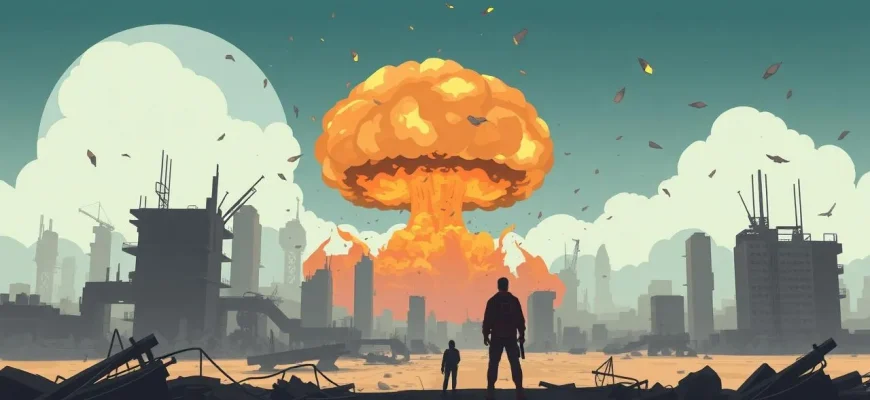
Are you ready to dive into the heart-pounding world of nuclear apocalypse and the aftermath? This curated list of 10 sci-fi films will take you on a journey through time, space, and the devastating power of nuclear explosions. From post-apocalyptic landscapes to the brink of global annihilation, these movies not only entertain but also provoke thought on humanity's resilience, technology's impact, and the ethical dilemmas of nuclear power. Whether you're a fan of classic cinema or looking for modern takes on the theme, this collection has something for everyone, offering a mix of suspense, drama, and speculative fiction that will keep you on the edge of your seat.
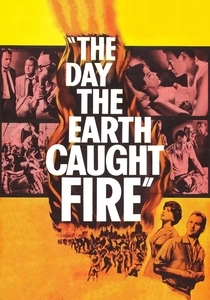
The Day the Earth Caught Fire (1961)
Description: A unique take on nuclear disaster, this film imagines simultaneous nuclear tests by the U.S. and USSR causing the Earth's axis to shift, leading to catastrophic climate changes.
Fact: The film uses a clever narrative technique where the ending is ambiguous, leaving viewers to decide the fate of the planet.
 Watch Now

Dr. Strangelove or: How I Learned to Stop Worrying and Love the Bomb (1964)
Description: Stanley Kubrick's satirical masterpiece explores the absurdity of Cold War politics and the potential for accidental nuclear war. It's both hilarious and terrifying, showcasing the absurdity of human behavior in the face of global catastrophe.
Fact: The film was shot in black and white to give it a documentary feel, and Peter Sellers played three different roles.
Watch Now

Testament (1983)
Description: This film focuses on the emotional and personal impact of a nuclear attack on a small American town, showing the slow decline of survivors without the usual action-packed scenes.
Fact: It was nominated for two Academy Awards, including Best Original Screenplay.
Watch Now

Threads (1984)
Description: A British television drama that follows the lives of two families before, during, and after a nuclear attack on Sheffield, England. It's known for its realistic portrayal of nuclear war's long-term effects.
Fact: The film was so realistic that it was used by the UK government for civil defense training.
Watch Now

Miracle Mile (1988)
Description: This thriller starts with a mistaken phone call warning of an impending nuclear attack, leading to a frantic race against time in Los Angeles. It's less about the explosion itself and more about the human reaction to the impending doom.
Fact: The film was shot in real-time, adding to the urgency and realism of the narrative.
Watch Now

The Sum of All Fears (2002)
Description: Based on Tom Clancy's novel, this film explores a scenario where a nuclear bomb is detonated at the Super Bowl, nearly triggering a war between the U.S. and Russia.
Fact: The film was originally set to be released in 2001 but was delayed due to the 9/11 attacks.
Watch Now

On the Beach (1959)
Description: Set in a post-apocalyptic world where nuclear fallout has killed most of the population, this film focuses on the survivors in Australia awaiting the inevitable arrival of the deadly radiation cloud.
Fact: The film features one of the first uses of the term "fallout" in popular media.
30 Days Free

The War Game (1965)
Description: This pseudo-documentary film portrays the catastrophic effects of a nuclear attack on Britain. It was deemed too shocking for public broadcast at the time, highlighting the grim reality of nuclear warfare.
Fact: Despite being banned from TV for many years, it won the Academy Award for Best Documentary Feature in
30 Days Free

The Day After (1983)
Description: This made-for-TV movie depicts the aftermath of a nuclear war in the United States, focusing on the lives of ordinary citizens in Kansas City and Lawrence, Kansas. It's a chilling reminder of the potential horrors of nuclear conflict.
Fact: The film was so impactful that it influenced President Ronald Reagan's views on nuclear war, leading to a change in U.S. nuclear policy.
30 Days Free
Fail-Safe (1964)
Description: This film presents a tense scenario where a technical malfunction leads to an accidental nuclear strike on Moscow, forcing the U.S. President to make an unthinkable decision to prevent a full-scale nuclear war.
Fact: It was released the same year as "Dr. Strangelove," offering a more serious take on the same subject.
30 Days Free